
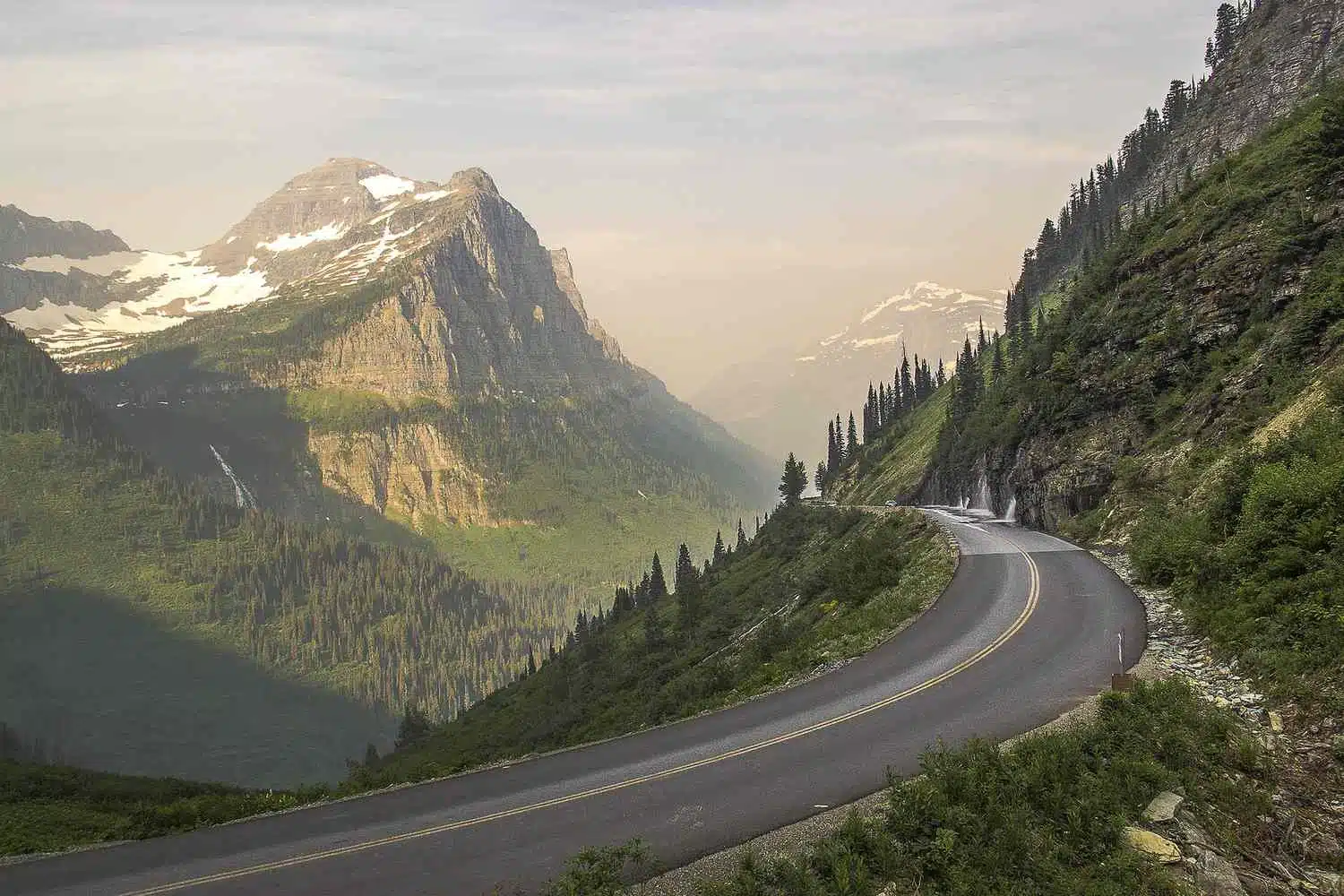
A road trip offers freedom, flexibility, and unforgettable experiences. Unlike fixed travel plans, road trips allow you to explore at your own pace and discover places beyond popular routes. Still, many travellers wonder how to plan a road trip without turning it into a stressful experience.
Good planning does not remove spontaneity. It ensures safety, comfort, and smoother travel while leaving room for exploration.
This guide explains road trip planning step by step, including route selection, budgeting, packing, safety, and cost estimation.
Step 1: Decide the Purpose of Your Road Trip
Every successful road trip starts with clarity.
Some trips focus on sightseeing, others on relaxation, adventure, or visiting family. The purpose determines distance, travel pace, number of stops, and budget. A relaxed trip needs fewer destinations and more rest time, while an adventure trip may involve longer drives and early starts.
Being realistic about expectations prevents exhaustion and disappointment later.
Step 2: Choose the Route and Destinations
Route planning is the backbone of a road trip.
Identify your starting point and final destination, then explore highways, scenic routes, and alternate roads. Mapping tools help estimate distance and time, but always include buffer time for breaks, traffic, weather, and unexpected stops.
Breaking long routes into manageable daily drives reduces fatigue and improves safety.
Step 3: Set a Road Trip Budget Before You Start
Budget planning is essential for stress-free travel.
Major expenses include fuel, accommodation, food, tolls, parking, vehicle maintenance, and emergency funds. Costs vary depending on vehicle type, destination, and travel style.
A planned budget helps control spending while allowing flexibility for unplanned experiences.
Road Trip Budget Calculator Templates
Fuel Cost Calculator
Fuel usually forms the largest part of a road trip budget.
To estimate fuel cost, divide the total trip distance by your vehicle’s mileage and multiply the result by the fuel price.
For example, a 1,200 km trip with a mileage of 15 km per litre and fuel price of ₹105 per litre results in an approximate fuel cost of ₹8,400. Always add a small buffer for detours or traffic.
Accommodation Cost Calculator
Accommodation costs depend on location and season.
Calculate this by multiplying the number of nights with your average per-night stay cost. For flexible routes, keep a minimum and maximum range instead of a fixed number.
This approach works for hotels, homestays, and budget stays.
Food and Daily Expense Estimation
Food expenses are often underestimated.
A practical method is to set a per-person, per-day food budget and multiply it by the number of days. This should include meals, snacks, beverages, and short breaks.
Tracking daily food spending helps avoid overspending without compromising comfort.
Tolls, Parking, and Local Travel Costs
Tolls and parking fees add up over long distances.
Check toll charges in advance and keep a buffer amount for parking and local transport. A flexible estimate works best for this category.
Emergency and Miscellaneous Budget
Every road trip should include an emergency reserve.
This covers vehicle repairs, medical needs, or unplanned stays. A buffer of 10 to 15 percent of the total planned budget is recommended for peace of mind.
Step 4: Prepare Your Vehicle Properly
Your vehicle’s condition directly affects safety and comfort.
Before starting, check tyres, brakes, engine oil, coolant, lights, and windshield wipers. Ensure insurance, registration, and pollution certificates are valid.
For long trips, carrying a basic emergency kit increases confidence on the road.
Step 5: Pack Smart for the Road Trip
Smart packing improves travel comfort.
Carry comfortable clothing, essential documents, medicines, power banks, water bottles, and weather-appropriate gear. Keep frequently used items easily accessible.
Avoid overpacking. Organisation matters more than quantity.
Step 6: Plan Accommodation and Breaks
You do not need to pre-book every stay, but rough planning helps.
Book accommodation in advance for peak seasons or popular destinations. For flexible trips, shortlist multiple options along the route.
Plan breaks every two to three hours to reduce fatigue and improve driving focus.
Step 7: Focus on Road Trip Safety
Safety planning is critical.
Avoid driving late at night on unfamiliar roads. Follow speed limits and local traffic rules. Share your route with someone you trust and keep emergency contacts accessible.
Listen to your body. If you feel tired, stop and rest rather than pushing ahead.
Common Road Trip Mistakes to Avoid
Many road trips become stressful due to avoidable mistakes.
Rushing the journey, skipping vehicle checks, underestimating distances, ignoring weather conditions, and planning too many destinations without rest time are common issues.
Balanced planning creates better memories than packed schedules.
How to Plan a Road Trip in India
Road trips in India require extra attention.
Start early to avoid traffic. Keep cash for tolls in remote areas. Be cautious in unfamiliar terrain and respect local driving conditions.
Fuel planning is especially important in hilly and rural regions.
People Also Ask About Road Trip Planning
How do beginners plan a road trip?
Beginners should start with shorter routes, plan basic stops, check vehicle condition, and avoid over-scheduling.
How much money should I budget for a road trip?
Budget depends on distance, vehicle type, accommodation style, and duration. Always include an emergency buffer.
What is the most important part of a road trip?
Route planning and vehicle readiness are the most critical factors.
Is a road trip cheaper than flying?
For short to medium distances or group travel, road trips are often more cost-effective.
How long should a road trip be?
A road trip can last from one day to several weeks depending on comfort, budget, and travel goals.
Conclusion and Call to Action
Knowing how to plan a road trip turns a simple drive into a smooth and memorable journey. With clear goals, smart budgeting, vehicle preparation, and flexible planning, road trips become safer and more enjoyable.