
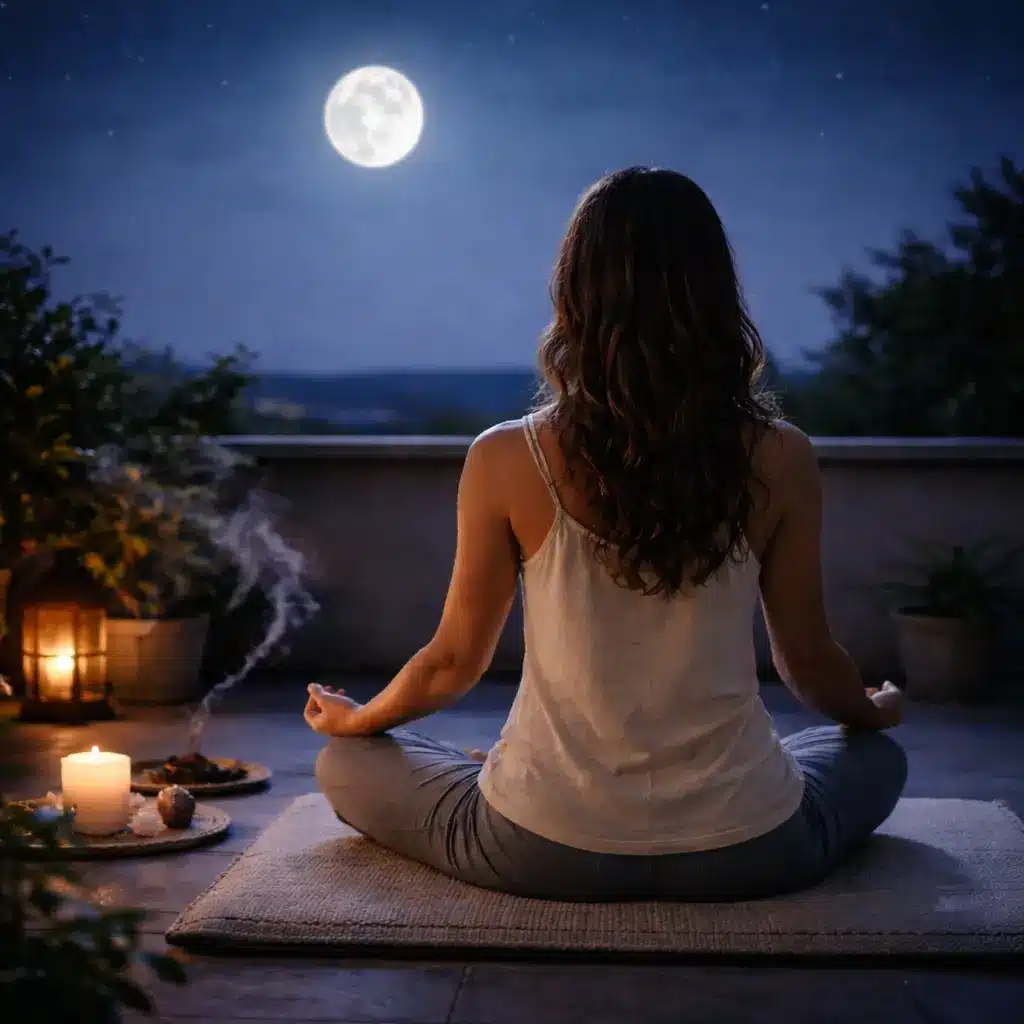
Full moon nights have held spiritual and psychological significance across cultures for centuries. Many people report feeling more emotionally aware, restless, or reflective during a full moon. This is where full moon meditation comes in as a practice designed to slow down the mind and bring emotional balance.
Rather than being a trend, full moon meditation is a mindful practice rooted in observation, intention, and self-awareness. When approached practically, it can become a powerful tool for reflection, emotional release, and mental clarity.
This guide explains what full moon meditation is, how it works, its benefits, and how to practice it safely and effectively.
What Is Full Moon Meditation?
Full moon meditation is a mindfulness practice performed on the night of a full moon. It focuses on awareness, emotional observation, and intentional reflection rather than ritual or belief.
From a psychological perspective, the full moon often coincides with heightened awareness because it naturally disrupts sleep patterns and increases sensory stimulation. Meditation during this time encourages grounding and regulation of emotions rather than reacting to them.
Importantly, full moon meditation does not require spiritual belief. It works best when approached as a structured pause for reflection and mental reset.
Why Do People Practice Full Moon Meditation?
People are drawn to full moon meditation because it creates a natural checkpoint in time. The full moon marks completion, visibility, and closure in many cultural calendars.
In practical terms, this makes it a powerful moment to review thoughts, habits, and emotional patterns. Meditation during a full moon helps bring subconscious feelings into conscious awareness, which is often harder during busy daily routines.
From experience working with mindfulness practitioners and mental wellness routines, many people report that full moon meditation helps them slow down racing thoughts and gain perspective rather than immediate calm.
Benefits of Full Moon Meditation
Full moon meditation supports mental and emotional well-being when practiced consistently.
It helps improve emotional awareness by encouraging observation rather than suppression of thoughts. Many practitioners find it useful for stress release, especially when emotions feel heightened.
Another benefit is improved mental clarity. Taking time to reflect at a natural monthly interval helps with goal review, habit awareness, and decision-making.
Some people also report better sleep quality after full moon meditation, as the practice helps counter restlessness caused by increased nighttime light and mental stimulation.
How to Practice Full Moon Meditation Correctly
Full moon meditation works best when kept simple and intentional.
Choose a quiet space where you feel comfortable, such as a balcony, terrace, or near a window with moonlight. Sit comfortably with a straight spine, or lie down if sitting is uncomfortable.
Begin by focusing on slow, steady breathing. Bring attention to your thoughts without judging them. If emotions arise, acknowledge them and let them pass without engagement.
Setting a gentle intention can help. This might be releasing mental clutter, gaining clarity, or simply observing your state of mind. The practice typically lasts between ten to twenty minutes.
Consistency matters more than duration. Even a short, mindful session can be effective.
Is Full Moon Meditation Scientific?
There is limited direct scientific research on full moon meditation specifically. However, meditation itself is well-studied and proven to reduce stress, improve emotional regulation, and enhance focus.
Studies suggest that full moon phases may slightly affect sleep and mood in some individuals. Meditation during these periods helps counter overstimulation by activating the parasympathetic nervous system, which supports relaxation.
From an evidence-based perspective, the benefits come from meditation and mindfulness, not from lunar belief alone.
Common Mistakes People Make
A common mistake is expecting immediate transformation or emotional release. Full moon meditation is a reflective practice, not a dramatic experience.
Another mistake is overcomplicating the process with too many rituals, tools, or expectations. Simplicity leads to better consistency and results.
Some people also skip meditation on uncomfortable emotional days, which is when the practice can be most helpful.
Who Should Try Full Moon Meditation?
Full moon meditation can benefit anyone looking to slow down and reflect.
It is particularly useful for people experiencing stress, emotional overload, creative blocks, or decision fatigue. Professionals, students, and caregivers often find it helpful as a monthly mental reset.
Those with severe anxiety or mental health conditions should treat meditation as a supportive habit, not a replacement for professional care.
FAQs About Full Moon Meditation
What is full moon meditation in simple words?
Full moon meditation is a mindfulness practice done on a full moon night to observe thoughts, release emotional tension, and gain clarity.
Does full moon meditation really work?
It works when practiced as mindfulness. The benefits come from meditation and reflection, not belief alone.
How long should full moon meditation last?
Most people practice for ten to twenty minutes, depending on comfort and focus.
Can beginners do full moon meditation?
Yes. Full moon meditation is beginner-friendly and does not require prior meditation experience.
Is full moon meditation religious?
No. It can be practiced purely as a mindfulness and self-awareness exercise without religious belief.
Conclusion and Call to Action
Full moon meditation is a simple yet powerful way to pause, reflect, and reconnect with your mental and emotional state. When practiced without pressure or expectation, it becomes a grounding habit rather than a ritual.