
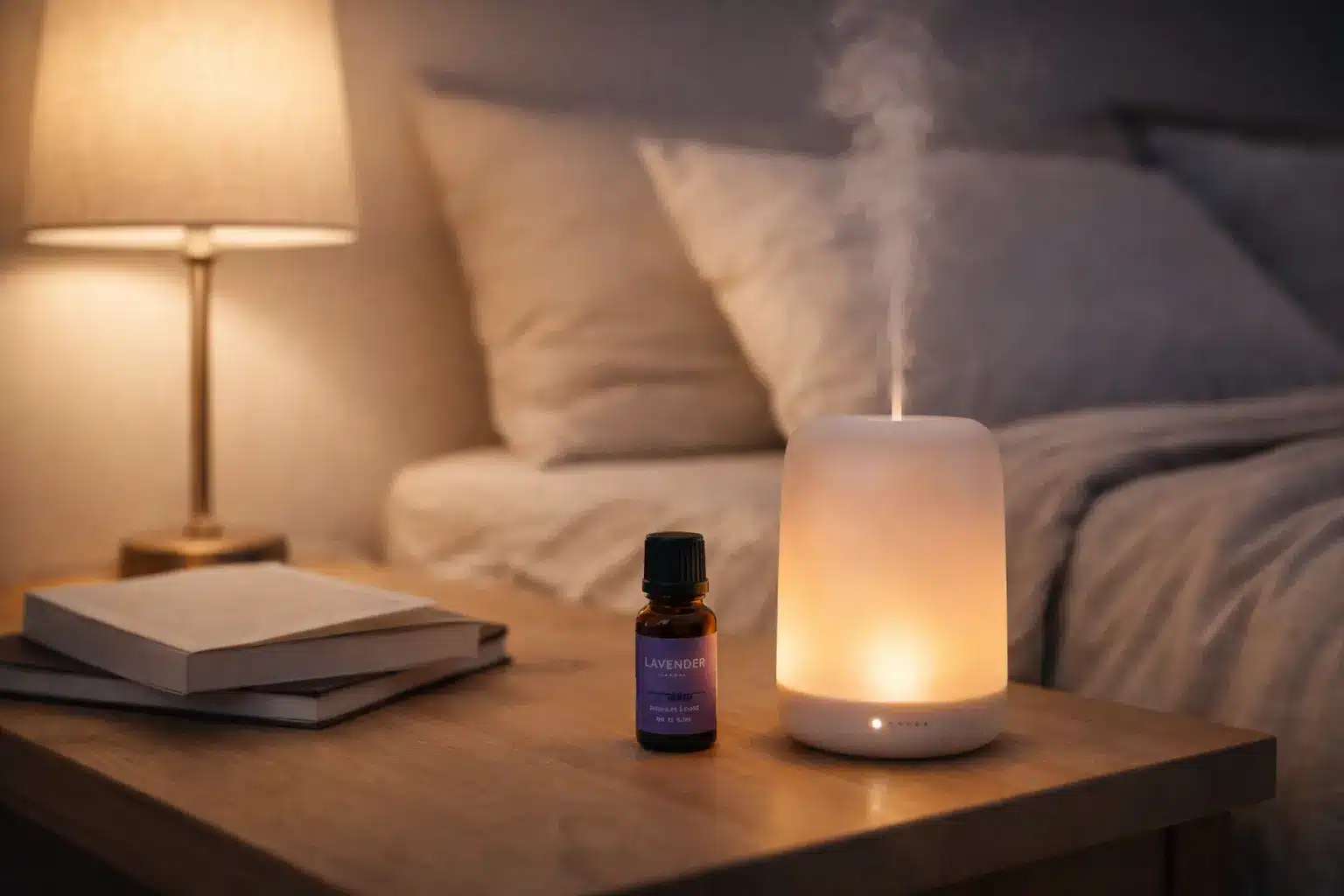
Difficulty falling asleep or staying asleep has become increasingly common. Long screen hours, work pressure, and constant mental stimulation often make it hard for the mind to slow down at night. This is why many people are now turning to essential oils for sleep as a natural and gentle solution.
Essential oils have been used for centuries to support relaxation and rest. When used correctly, they can help create a calming bedtime routine and improve sleep quality over time.
This guide explains how essential oils support sleep, which oils work best, and how to use them safely and effectively.
What Are Essential Oils and How Do They Help Sleep?
Essential oils are concentrated plant extracts obtained from flowers, leaves, roots, or bark. They contain natural aromatic compounds that interact with the brain through the sense of smell.
When inhaled, essential oils stimulate the limbic system, the part of the brain that controls emotions, mood, and sleep patterns. Certain oils promote relaxation by reducing mental tension, slowing the heart rate, and calming the nervous system. While essential oils are not a cure for sleep disorders, they can support better sleep habits when used consistently.
Best Essential Oils for Sleep and Relaxation
Some essential oils are particularly effective in promoting rest and calm due to their soothing properties.
Lavender essential oil is one of the most researched and widely used oils for sleep. Its calming aroma helps reduce anxiety and improves sleep quality by promoting relaxation.
Chamomile essential oil is known for its mild sedative effect. It is especially helpful for people whose sleep is disturbed by overthinking or restlessness.
Sandalwood essential oil has a warm, grounding scent that helps slow racing thoughts. It is commonly used in India and blends well with meditation or nighttime breathing practices.
Ylang ylang essential oil helps lower stress levels and supports emotional balance, making it useful for people whose sleep is affected by mood swings or tension.
Vetiver essential oil has an earthy aroma and is often recommended for deep relaxation. It is particularly helpful for people who wake up frequently during the night.
How to Use Essential Oils for Better Sleep
Using essential oils correctly is important to get the desired benefits.
The most common method is diffusion. Adding a few drops of essential oil to a diffuser 30 minutes before bedtime helps create a calm sleep environment.
Topical application is another option. Essential oils should always be diluted with a carrier oil before applying to pulse points such as the wrists, neck, or soles of the feet.
Some people also prefer adding a few drops of essential oil to a warm bath in the evening. This method combines aromatherapy with muscle relaxation, which supports deeper sleep.
Consistency matters more than quantity. Using essential oils as part of a regular bedtime routine delivers better results than occasional use.
Are Essential Oils Safe for Sleep?
Essential oils are generally safe when used properly, but they should be handled with care.
Always dilute essential oils before applying them to the skin to avoid irritation. Avoid ingesting essential oils unless guided by a qualified professional. People with asthma, allergies, or sensitive skin should perform a patch test before use.
Pregnant women, children, and individuals with medical conditions should consult a healthcare professional before using essential oils for sleep.
Why Essential Oils for Sleep Are Gaining Popularity in India
In India, interest in natural wellness solutions is rising steadily. Many people prefer non-medicated approaches for managing sleep issues, especially for long-term use.
Essential oils align well with traditional Indian practices such as yoga, meditation, and Ayurveda. Oils like sandalwood and vetiver already hold cultural significance, making aromatherapy a familiar and trusted option.
Urban lifestyles, late working hours, and high screen exposure have also increased the demand for gentle sleep-support solutions.
Common Mistakes to Avoid When Using Essential Oils
Using too much essential oil does not improve results and may cause headaches or nausea. Mixing too many oils at once can overwhelm the senses instead of calming them.
Another common mistake is expecting instant results. Essential oils work best when combined with good sleep hygiene, such as reducing screen time and maintaining a consistent sleep schedule.
FAQs About Essential Oils for Sleep
Which essential oil is best for sleep?
Lavender essential oil is widely considered the most effective for improving sleep quality and reducing nighttime anxiety.
How long does it take for essential oils to work?
Some people feel relaxed within minutes, while others notice improvements after consistent use over several days.
Can I use essential oils every night?
Yes, essential oils can be used daily as part of a bedtime routine, provided they are used safely and in moderation.
Are essential oils better than sleeping pills?
Essential oils are not a replacement for prescribed medication, but they can support relaxation naturally without causing dependency.
Can essential oils help with stress-related sleep problems?
Yes, many essential oils help calm the nervous system, which can improve sleep affected by stress and anxiety.
Conclusion and Call to Action
Using essential oils for sleep is a simple and natural way to support relaxation and improve sleep quality. While they are not a quick fix, consistent use combined with healthy sleep habits can make a noticeable difference over time.
If this guide helped you, share it with someone struggling with sleep, leave a comment about which essential oil you prefer, or explore more wellness content on The Wise Scroll.